Master Waterproofing Takeoffs: A Guide for Estimators
Discover how to read waterproofing takeoffs accurately to avoid costly mistakes. This practical guide is essential for contractors, estimators, and project managers looking to improve their accuracy and protect profit margins.
EDUCATIONAL
Sumit Kumar
4/10/2026
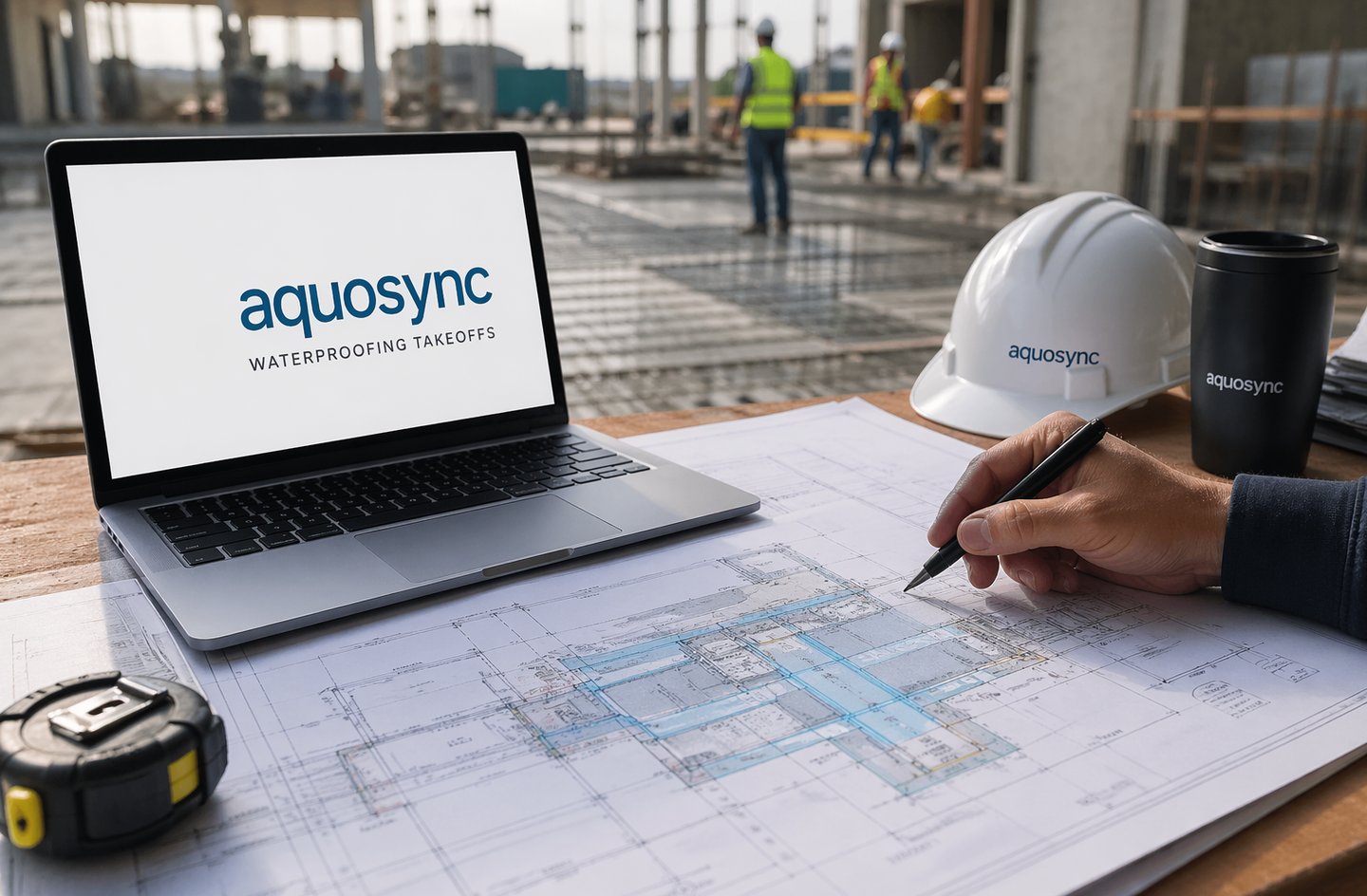
Reading a waterproofing takeoff isn’t just about measuring areas - it’s about understanding the full story behind the drawings so nothing gets missed when pricing or delivering the job. A strong takeoff starts with identifying the scope clearly: where waterproofing is required, what system is specified, and how different areas connect (roofs, balconies, wet areas, podiums). Think of it like reading a map - if you only look at distances but ignore terrain, you’ll underestimate the journey; similarly, if you only measure square meters but ignore upstands, penetrations, substrate prep, and detailing, your costs will be wrong. The key is to break the takeoff into layers: surface areas (membranes), linear items (joints, terminations), and critical details (drains, corners, penetrations), because these small elements often drive the real cost and risk. Always cross-check drawings with specifications - many estimators lose margin by relying on plans alone while the specification quietly upgrades the system or adds compliance requirements. Another smart move is tagging assumptions and exclusions during your takeoff process, so there’s no confusion later during claims or variations. A well-read waterproofing takeoff doesn’t just help you price accurately - it protects your margin, strengthens your negotiations, and positions you as a contractor who truly understands the job, not just the numbers.
If you want accurate, detail-driven waterproofing takeoffs that protect your margins and reduce risk, get in touch with AQUOSYNC today and see how we can support your next project.