Lifecycle Cost vs Upfront Cost: The Waterproofing Decision That Impacts Your Project Profit
Choosing cheaper waterproofing systems can cost more long-term. Learn how lifecycle cost impacts commercial construction projects across NZ and Australia. The cheapest waterproofing option is rarely the most cost-effective. Here’s how lifecycle thinking protects profit in NZ and Australian commercial projects.
EDUCATIONAL
Sumit Kumar
4/2/2026
Introduction
In commercial construction, waterproofing decisions are often made under cost pressure. The focus tends to be on reducing upfront spend to stay competitive at tender stage. But waterproofing doesn’t behave like a typical trade. Its real cost is not measured at installation — it’s measured over time.
The Upfront Cost Trap
At tender stage, small price differences between systems can influence decisions. A slightly cheaper option may appear commercially attractive, especially when margins are tight. However, these decisions are often made without fully considering performance, durability, and long-term exposure. What looks like a saving on paper can introduce risk into the structure itself.
Where Lifecycle Cost Shows Up
Waterproofing performance directly affects the parts of a building that are hardest and most expensive to fix later. When systems underperform, the impact is not limited to the membrane. It affects finishes, structure, tenant spaces, and ongoing maintenance obligations. In multi-unit or commercial assets, this exposure multiplies quickly. Over time, the true cost appears through remedial works, disruption to occupants, and pressure on warranties and liability.
Why Smarter Projects Think Differently
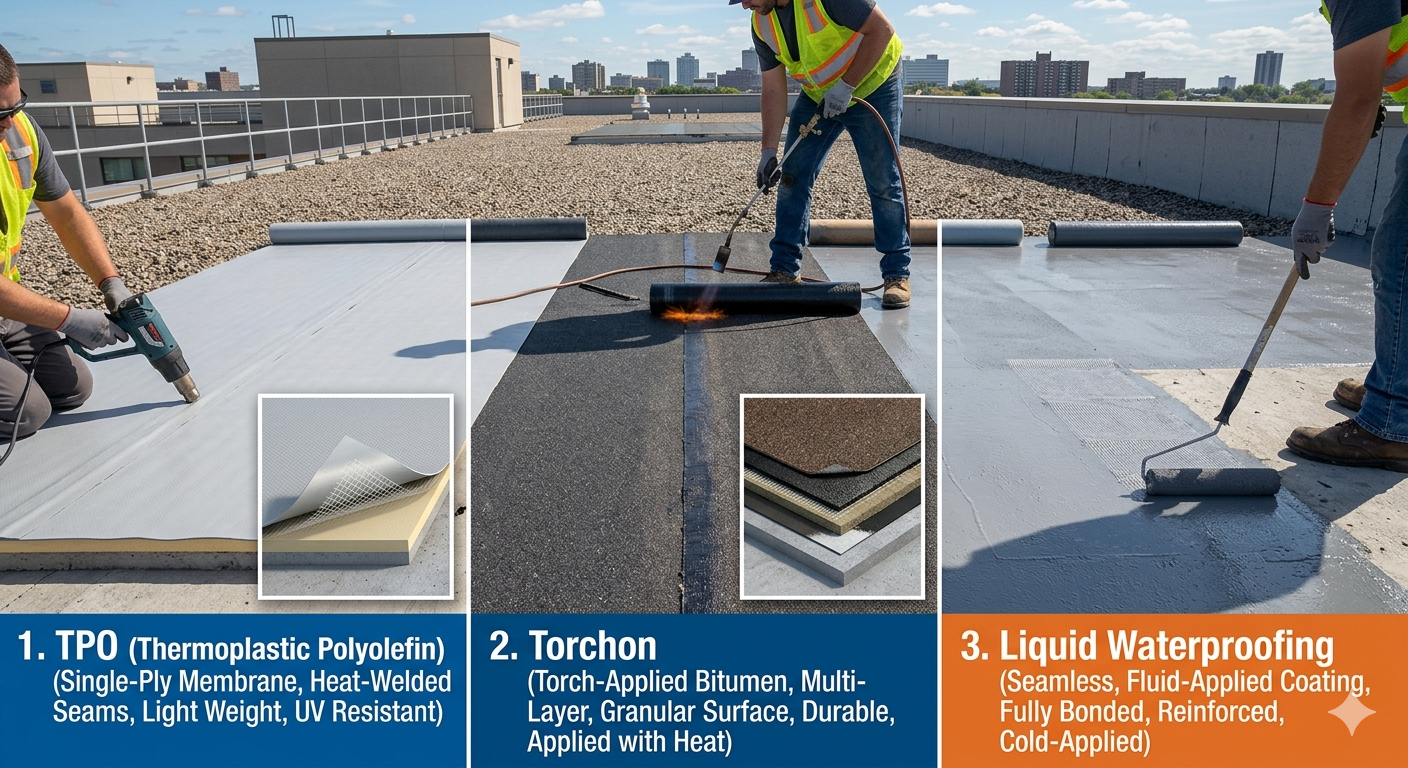
More experienced developers and contractors treat waterproofing as a long-term protection system rather than a short-term cost item. This means decisions are influenced by:
System suitability for the environment
Installation requirements and risk
Maintenance expectations
Manufacturer backing and compliance
The focus shifts from “What is the cheapest?” to “What will perform reliably over time?”
The Commercial Reality
A small saving at tender stage can lead to significantly higher costs during the defect liability period or beyond. On the other hand, a well-considered system may slightly increase upfront cost but reduce long-term financial exposure. This is where margin is either quietly lost or protected.
Conclusion
Waterproofing is not where projects should aim to save — it is where they should aim to be certain. Across New Zealand and Australia, projects that take a lifecycle approach to waterproofing decisions reduce risk, protect asset value, and avoid costly surprises later.
If you're assessing waterproofing options on your next commercial project and want clarity beyond just upfront cost, a structured approach can make the difference. Connect with our team to align waterproofing decisions with long-term performance and protect your project outcomes.