The Real Cost of Waterproofing Errors in Commercial Construction (NZ & Australia)
Discover the true financial impact of waterproofing errors in commercial construction across New Zealand and Australia. Learn how early cost planning prevents variations, disputes, and expensive rework.
EDUCATIONAL
Sumit Kumar
3/29/2026
Introduction
Waterproofing failures are rarely minor. They lead to rework, delays, disputes, and long-term structural damage. Across New Zealand and Australia, unclear waterproofing scope remains one of the most underestimated cost risks in commercial construction. The membrane itself is not expensive — the consequences of getting it wrong are.
Where Costs Escalate
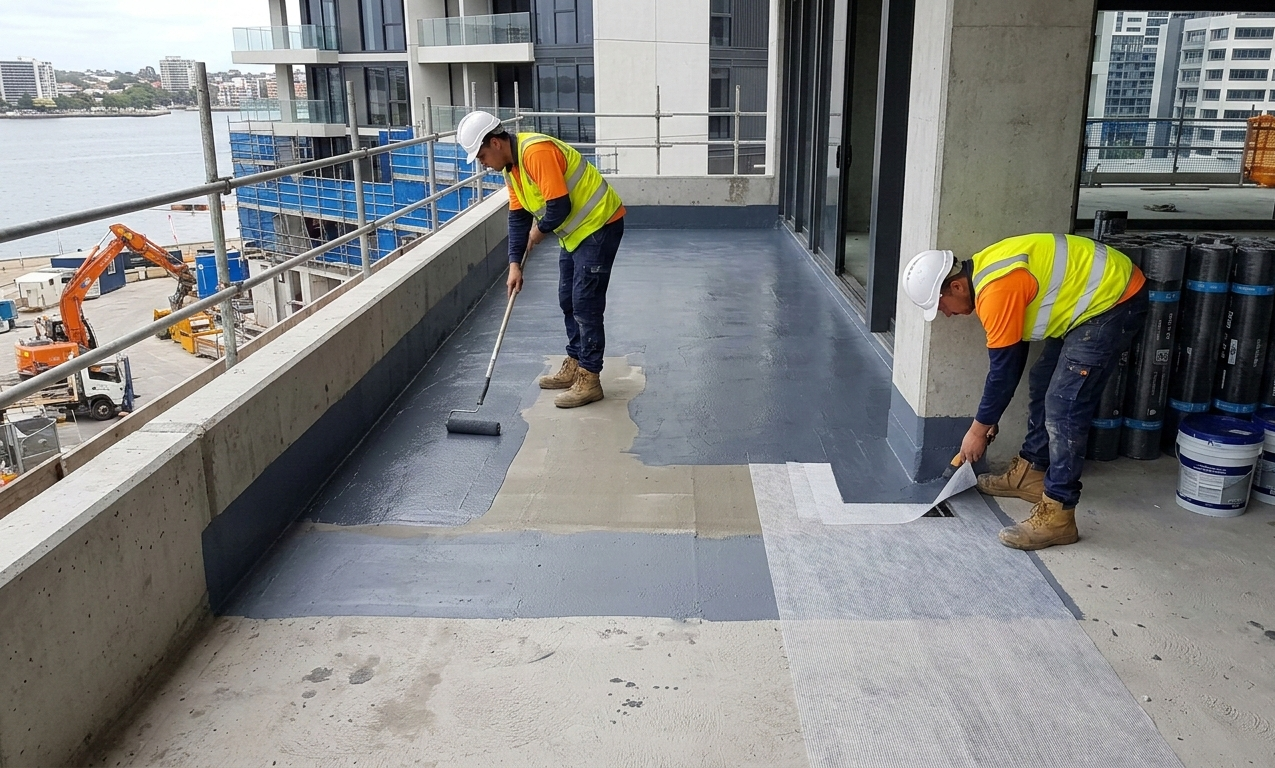
Most cost increases don’t come from installation; they come from missing clarity early on. When drawings and specifications leave room for interpretation, contractors are forced to price assumptions. These assumptions often look acceptable at tender stage but quickly turn into variations once details are clarified onsite. A simple example is balcony upstands or flashing details not being properly defined — small gaps that multiply across multiple levels and significantly increase cost.
At the same time, waterproofing does not operate in isolation. It connects directly with structure, cladding, drainage, and service penetrations. When responsibilities between trades are unclear, issues shift from construction into contractual disputes. The cost is no longer just about installation — it becomes about resolution, delays, and accountability. Another common pressure point is substrate preparation. Items such as crack repairs, moisture control, and surface levelling are often underestimated during tender. Onsite, these are not optional works; they are essential for system performance, and therefore become variations. System selection also plays a role. Attempts to reduce upfront cost through substitutions can compromise durability, affect warranties, and introduce compliance risks. What appears to be a saving early on often results in greater financial exposure later.
Finally, waterproofing sits within the critical construction sequence. When failures occur, the impact is not isolated. Removal, rework, drying time, and retesting all affect programme timelines, directly increasing preliminaries and reducing margin.
Why Early Clarity Matters
Waterproofing should be treated as a technical protection system, not a finishing trade. When detailed planning is done at pre-tender stage, scope boundaries become clear, allowances are realistic, and exclusions are properly defined. This level of clarity reduces variation exposure and allows contractors to price with confidence. In simple terms, when the scope is clear, margins are protected.
The Reality
A small documentation gap may seem insignificant in isolation, but across balconies, wet areas, podiums, and roof zones, it compounds quickly. This is where projects lose control of cost. The cost of prevention is always lower than the cost of rectification. Waterproofing does not become expensive during installation — it becomes expensive when clarity is missing.
Conclusion
In commercial construction across New Zealand and Australia, waterproofing errors are not technical failures; they are planning failures. Projects that invest in detailed scoping and accurate cost planning reduce variation exposure, minimise rework, maintain programme stability, and protect margins. The difference is made long before construction begins.
If you are pricing commercial projects across New Zealand or Australia and want greater certainty around waterproofing costs, early clarity is critical. Connect with our team to strengthen your waterproofing cost planning and reduce variation risk across your projects.