Waterproofing Isn’t “Set and Forget”: Why Maintenance Planning Matters From Day One
Many assume waterproofing is a one-time install — apply the membrane, sign it off, and move on. In reality, waterproofing is a long-term system that requires access, inspection, and maintenance planning from day one. Ignoring this often leads to premature failure and costly remedial work.
EDUCATIONAL
Sumit Kumar
2/11/2026
1. The Hidden Cost of No Maintenance Strategy
Waterproofing systems degrade over time due to:
UV exposure
Thermal movement
Building settlement
Wear from foot traffic
Without a maintenance plan, small defects go unnoticed until water ingress becomes unavoidable - and expensive.
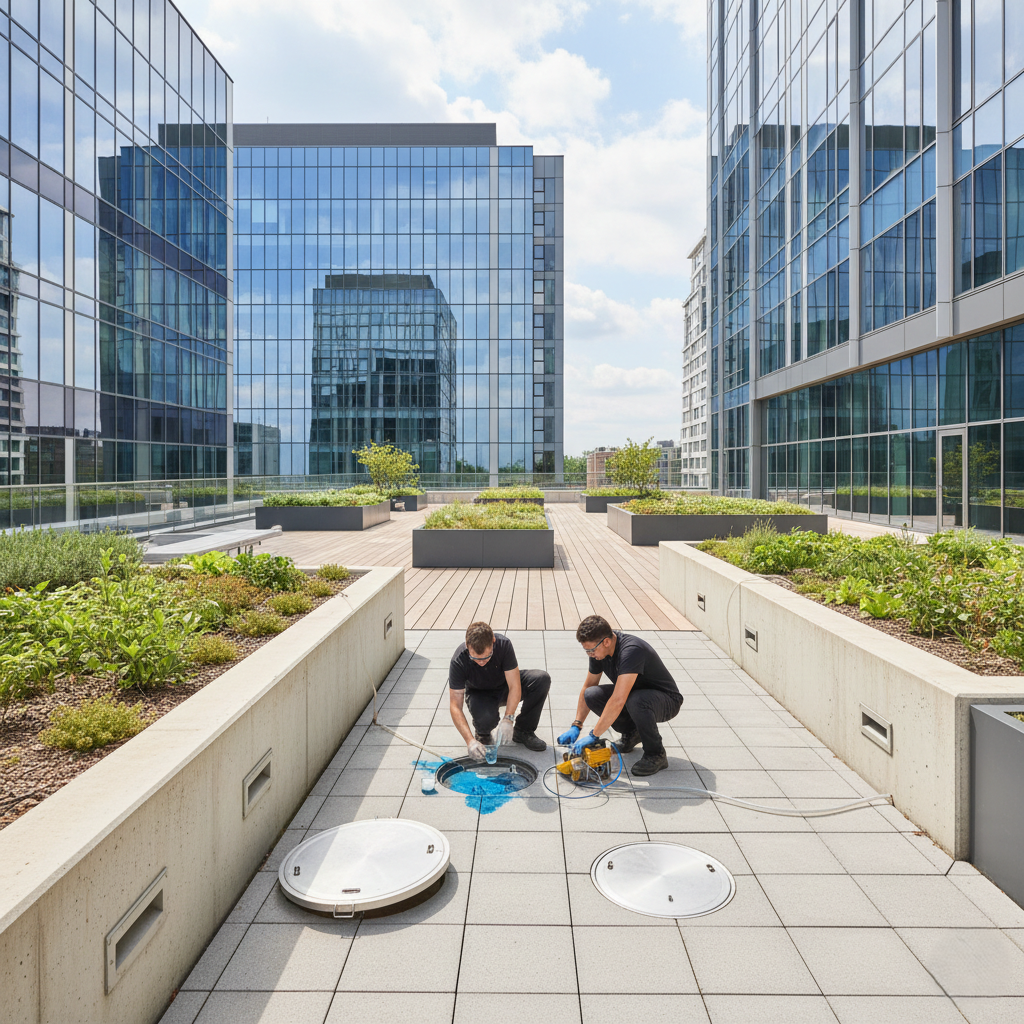
2. Design Choices That Block Future Access
Common design decisions unintentionally prevent inspection:
Finished tiles without access points
Covered drainage outlets
Plant rooms installed over membrane zones
Once these areas are sealed or built over, even basic inspections become destructive.
3. Why Developers & Owners Should Care
A well-maintained waterproofing system:
✔ Extends membrane lifespan
✔ Reduces insurance and remediation risk
✔ Protects asset value
✔ Supports long-term compliance
Maintenance planning isn’t an added cost - it’s cost avoidance.
4. How Early Planning Makes Maintenance Simple
Projects that plan for maintenance early usually include:
Defined inspection zones
Accessible outlets and terminations
Clear documentation of waterproofing systems used
Realistic maintenance allowances built into asset planning
This creates clarity long after construction ends.
Key Takeaway
Waterproofing doesn’t fail suddenly - it fails gradually. Projects that plan for inspection and maintenance from the start protect their investment and avoid unnecessary surprises.
🔍 Not sure if your project allows proper waterproofing maintenance?
We review plans to identify access risks, inspection limitations, and long-term waterproofing concerns before they become problems.