Why Waterproofing Installers Should Track Substrate Readiness Before Starting
Starting too early is one of the quickest ways waterproofing jobs go wrong. Here’s why substrate readiness checks protect quality - and how a QS mindset keeps everything on track. To keep all parties responsible waterproofers always need to track substrate early to avoid conflict.
EDUCATIONAL
Sumit Kumar
12/11/2025
Why Substrate Checks Matter
In waterproofing, the membrane is only as good as what sits underneath.
But across NZ sites, installers are often pressured to “just start” - even when:
moisture levels aren’t tested
substrates aren’t cured
falls aren’t corrected
surfaces aren’t cleaned or primed properly
These small oversights lead to the biggest failures later.
The Common Gaps We See on NZ Jobs
1. Moisture Not Confirmed
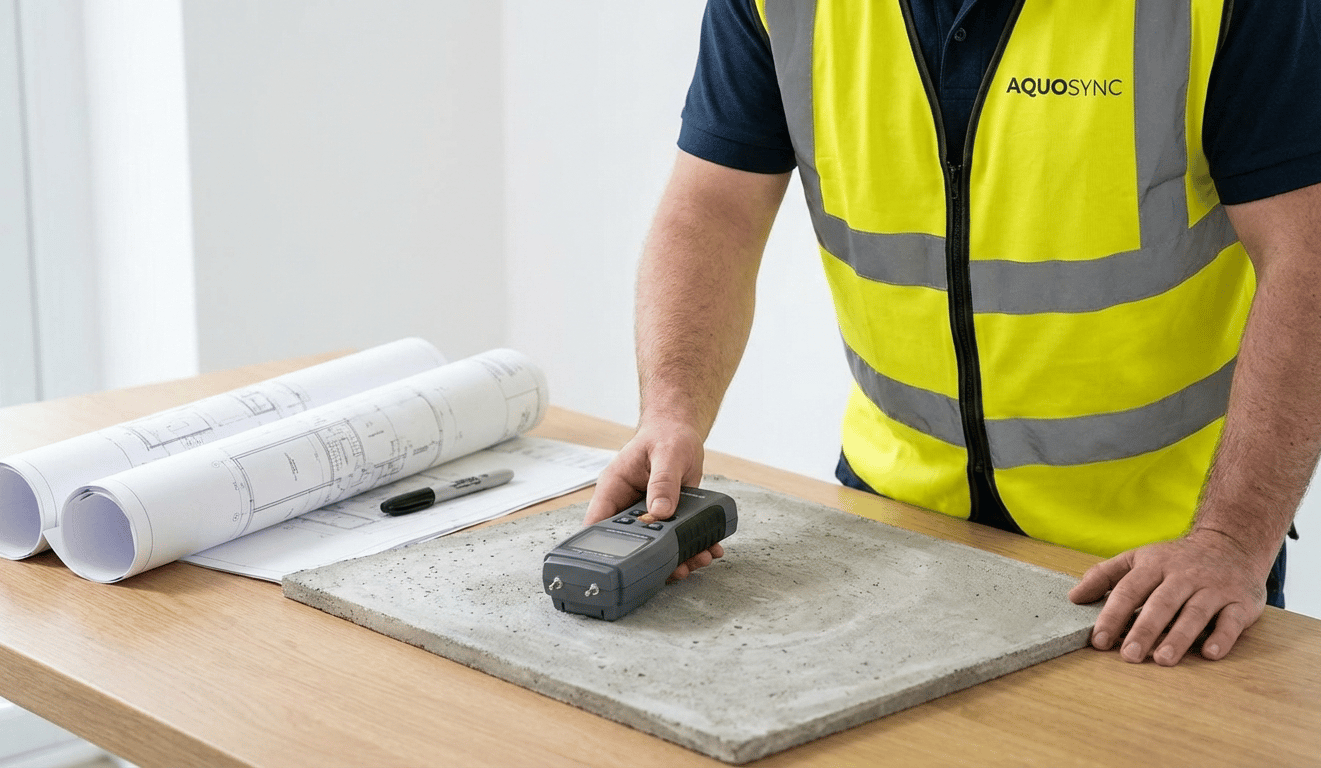
Moisture meters aren’t optional - they’re protection.
2. Incorrect Falls Before Membrane
Fixing falls after membrane is the fastest way to lose margin.
3. Poor Surface Prep
Dust, laitance, or rough patches kill adhesion.
4. No Supplier Sign-Off
Every supplier has minimum requirements - skipping these risks warranty issues.
Where QS Insight Helps
A QS perspective ensures substrate readiness isn’t guesswork. It helps installers:
verify scope before starting
document site conditions to avoid disputes
confirm what prep is included vs. excluded
ensure materials and labour are allocated correctly
This leads to smoother installs - and fewer “scope fights” later.
The Win for Installers
Doing a quick readiness check before starting helps you:
deliver higher-quality installs
avoid rework
protect your margins
reduce variation arguments
build trust with builders and PMs
Simple habit, massive return.
Need Support Before You Start Your Next Job?
AQUOSYNC helps waterproofers create clear takeoffs, clarify prep requirements, and avoid hidden risks before installation day.
👉 Reach out if you want smarter, smoother project starts.